Home / Categories / Electronics & Batteries
Electronics & Batteries Recalls
605 recalls, newest first.

March 27, 2003Electronics & Batteries
CPSC, OWT Industries Inc. and Sears Announce Recall of Electric Routers Used in Woodworking
Hazard: The on-off switch on the routers could stick in the "on" position, posing a risk of serious lacerations to the operator and bystanders.
March 20, 2003Electronics & Batteries
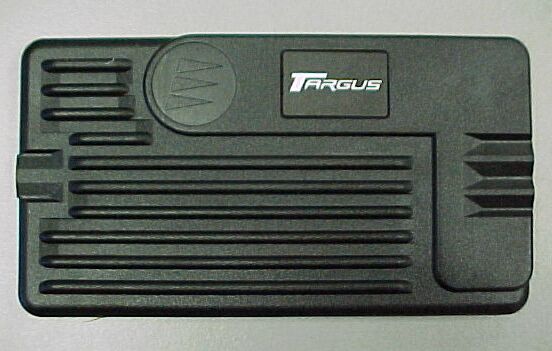
CPSC, Comarco Inc. Announce Recall to Replace Detachable Plugs On Power Adapters
Hazard: The plug can break open and expose live wires, posing an electrocution or electric shock hazard to consumers.
March 11, 2003Electronics & Batteries
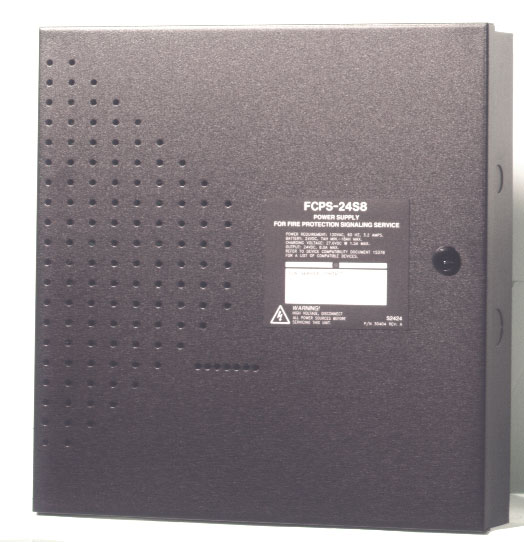
CPSC, Fire-Lite Alarms Announce Recall of Power Supply for Alarm Systems
Hazard: Fire-Lite models FCPS-24FS6 and FCPS-24FS8, and Notifier models FCPS-24S6 and FCPS-24S8 can have incomplete solder connections. The Notifier model ACPS-2406 can have an improper circuit response with low input voltage. Both of these conditions may result in a building alarm system not functioning properly.
March 4, 2003Electronics & Batteries
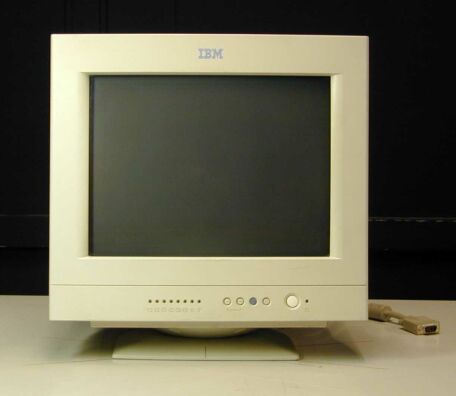
CPSC, IBM Announce Recall to Repair Computer Monitors
Hazard: The monitor's circuit board can overheat and smoke, posing a fire hazard to consumers.
February 14, 2003Electronics & Batteries
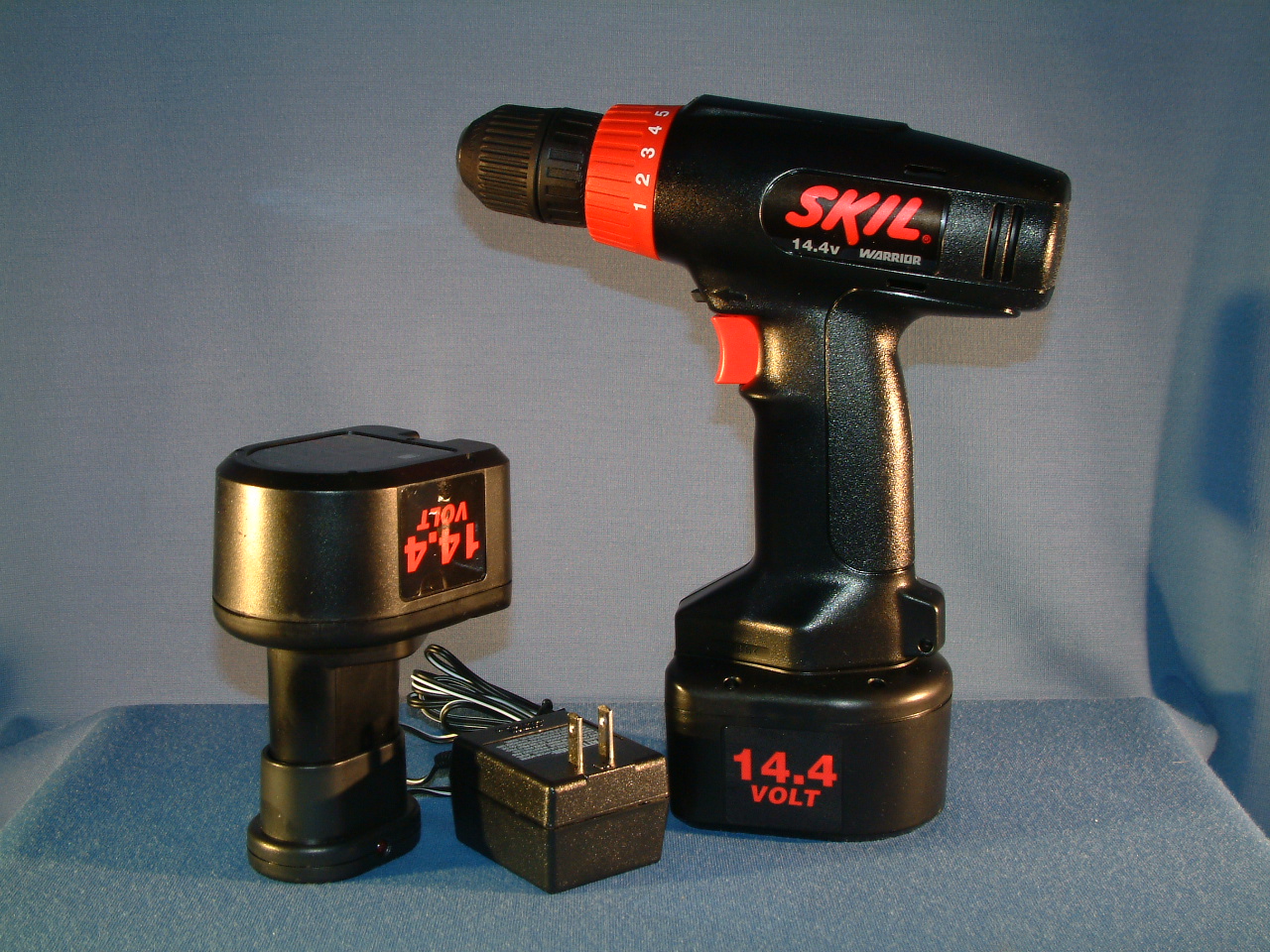
CPSC, Robert Bosch Tool Corp. Announce Recall of Skil® Warrior Drill Battery Chargers
Hazard: The transformer inside the charger can overheat. If this occurs, the charger housing can melt and deform, possibly igniting flammable materials near or on the charger.
January 30, 2003Electronics & Batteries
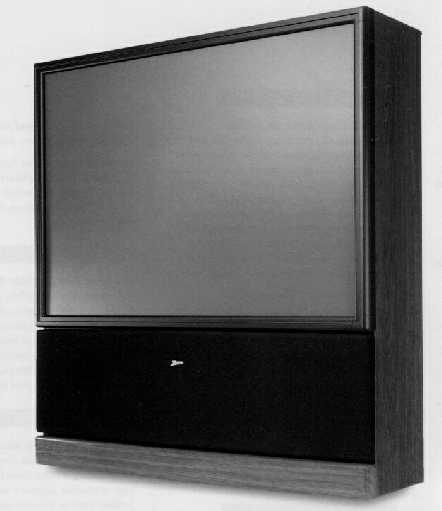
CPSC, Zenith Announce Recall to Repair Large-Screen, Analog Projection Televisions
Hazard: A tear in a gasket can cause coolant fluid to leak from the picture tube assembly. This can cause smoking, charring, and electrical arcing inside of the television, posing a fire hazard to consumers.
January 14, 2003Electronics & Batteries
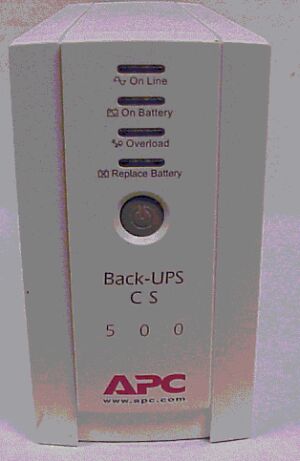
CPSC, American Power Conversion Corp. Announce Recall of Back-Up Power Supply Systems
Hazard: The power supply device can fail, causing the unit to overheat, which may pose a fire hazard to consumers.
November 19, 2002Electronics & Batteries
CPSC, Evercel Announce Recall of Nickel Zinc Battery Chargers
Hazard: Internal electrical components of the battery chargers can overheat, posing a fire hazard.
October 17, 2002Electronics & Batteries
CPSC, Swingline Announce Recall of Rechargeable Staplers
Hazard: If a consumer inadvertently releases the spring-loaded staple magazine while holding the stapler close to his/her face, there is a risk of injury from a fully loaded magazine striking a consumer in the face.
September 19, 2002Electronics & Batteries
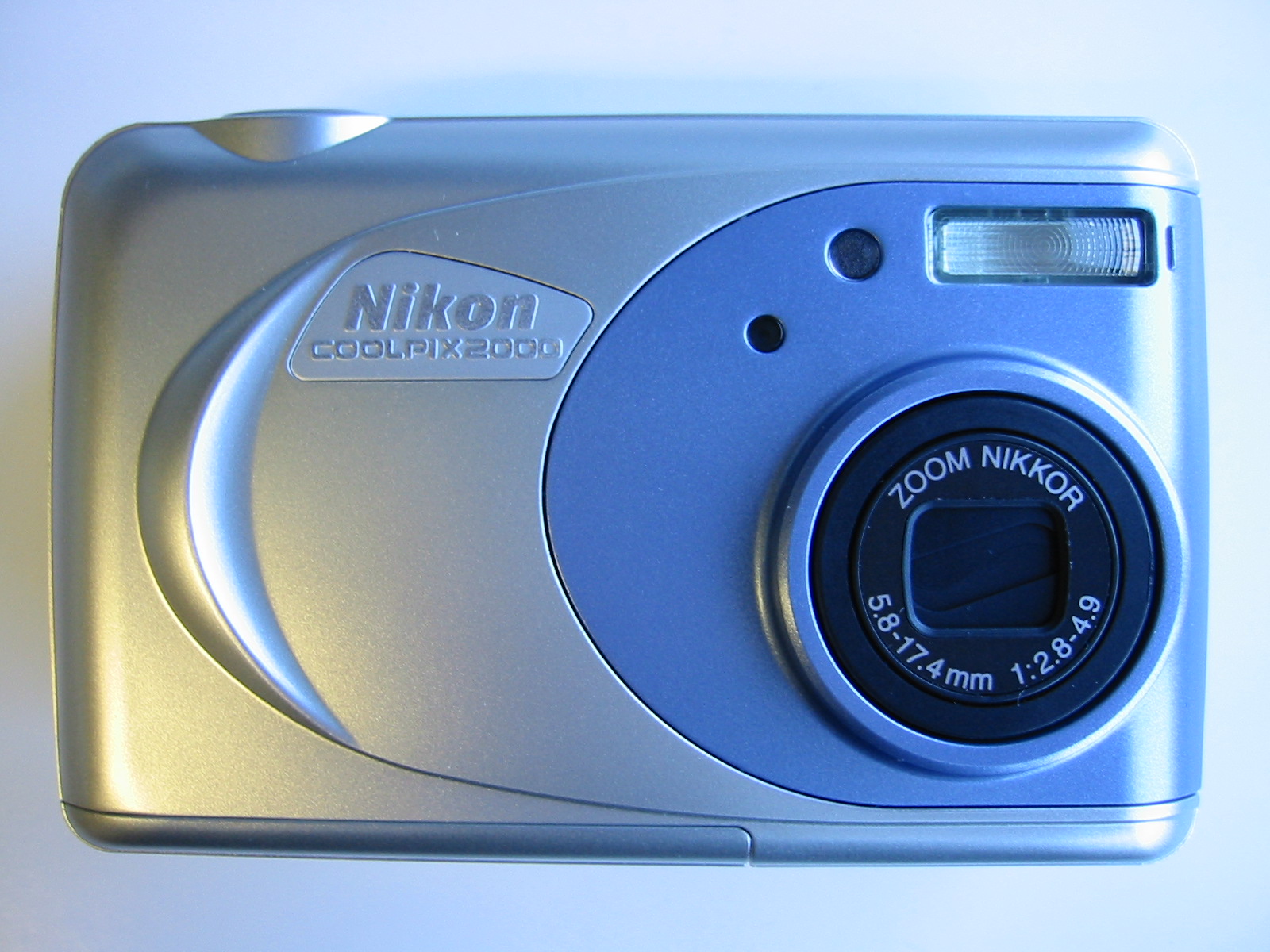
CPSC, Nikon Inc. Announce Recall of Coolpix 2000-Model Digital Cameras
Hazard: A short circuit can occur in the battery compartment, creating a possible thermal burn hazard to consumers, if the battery compartment lid is touched.
September 17, 2002Electronics & Batteries
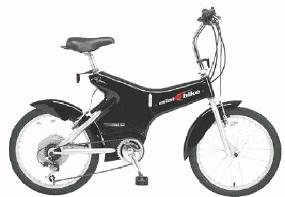
CPSC and EV Global Motors Co. Announce Recall of Lithium Batteries in Electric Bikes
Hazard: The lithium ion batteries in these bicycles can overheat and pose a fire hazard.

August 22, 2002Electronics & Batteries
CPSC, S&G Enterprises, Inc. Announce Recall of Statue of Liberty Cigarette Lighters
Hazard: The lighters do not have child-resistant mechanisms, as required by federal law. Young children could ignite the lighters, presenting fire and burn hazards.
June 13, 2002Electronics & Batteries
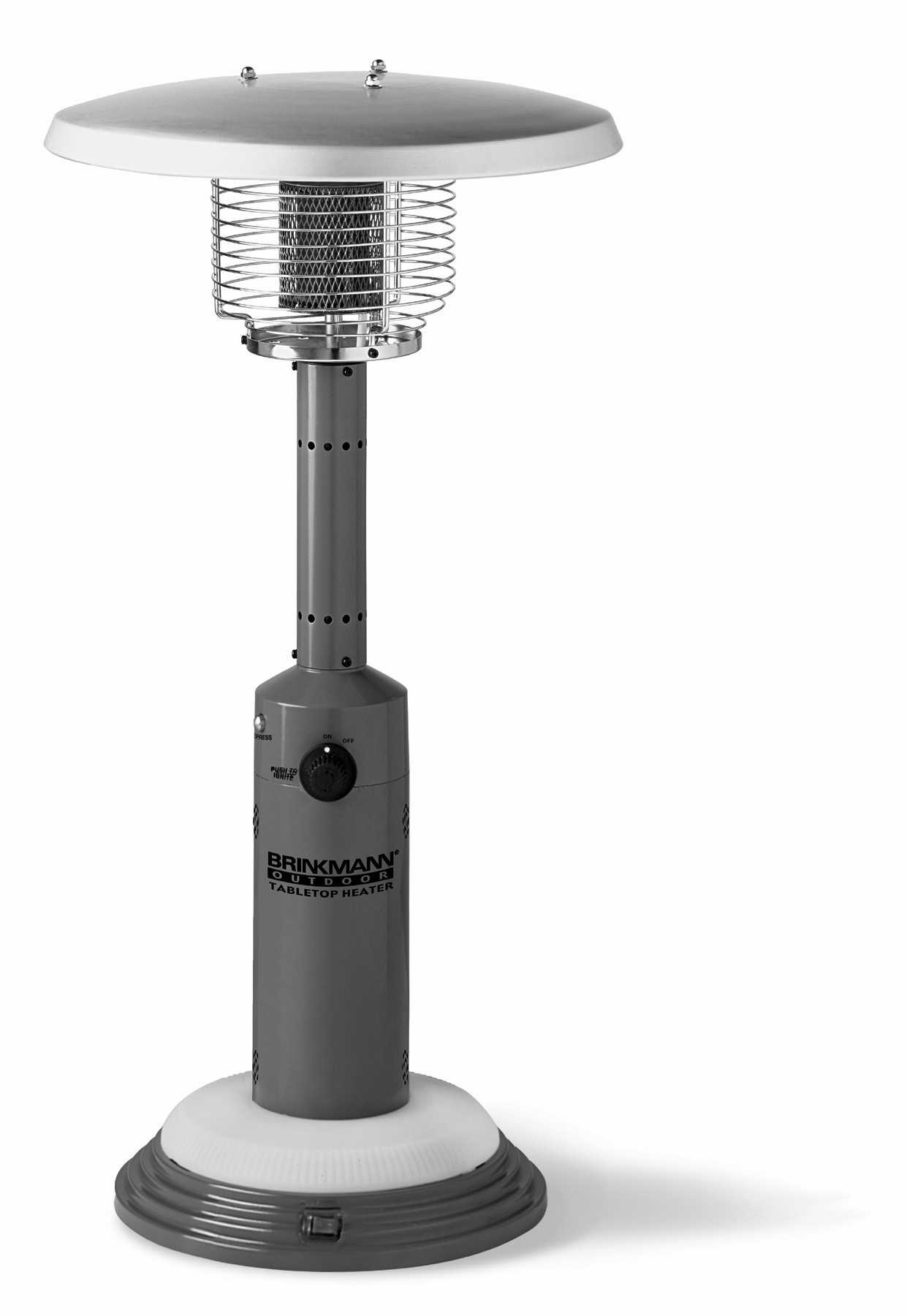
CPSC, Brinkmann Announce Recall of Outdoor Tabletop Propane Heaters
Hazard: The heaters can emit high levels of carbon monoxide (CO), which poses a risk of CO poisoning to consumers.

June 6, 2002Electronics & Batteries
CPSC, Megatech Announce Recall of Rechargeable Battery Packs for Radio Controlled Airplanes
Hazard: The internal battery cell connections may slip and result in arcing and overheating, posing a fire or thermal burn hazard.
May 16, 2002Electronics & Batteries
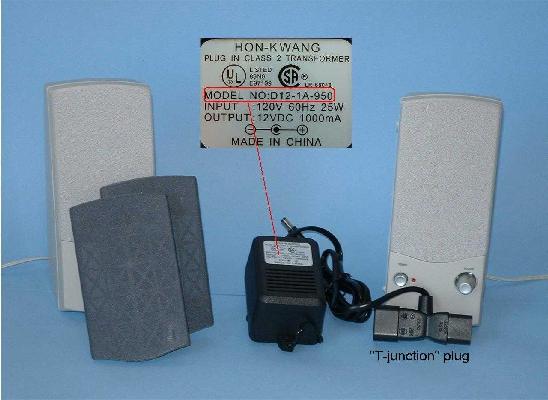
CPSC, Philips Electronics Announce Recall of Speaker Power Adapters Sold with HP Computers
Hazard: The speaker power adapter's power cord connector is not grounded, posing a potential shock hazard to consumers.
May 16, 2002Electronics & Batteries
CPSC, Fitness Quest Inc. Announce Recall of "Total Gym" Exercise Machines
Hazard: The handles on these exercise machines can detach during use and the cable attached to the handles can break, resulting in injury to the user.

May 7, 2002Electronics & Batteries
CPSC, Total Gym Fitness LLC Announce Recall of Exercise Equipment Sold by TV Infomercials
Hazard: A lever pin that supports the elevated railing of the glideboard could fail, causing the user to fall.
March 13, 2002Electronics & Batteries
CPSC and GE Interlogix Announce Recall to Repair Security Control Panels
Hazard: The systems can fail to communicate with the central station that should receive the distress signal, which then would fail to alert the fire department, police department, or ambulance service. This poses a safety risk to consumers.

March 12, 2002Electronics & Batteries
CPSC, Leiner Health Products Announce Recall of Dietary Supplements Containing Iron
Hazard: The supplements being recalled are not packaged in child-resistant packaging, as required under the Poison Prevention Packaging Act. If ingested by children, these iron-containing supplements can cause serious injury or death.
January 23, 2002Electronics & Batteries
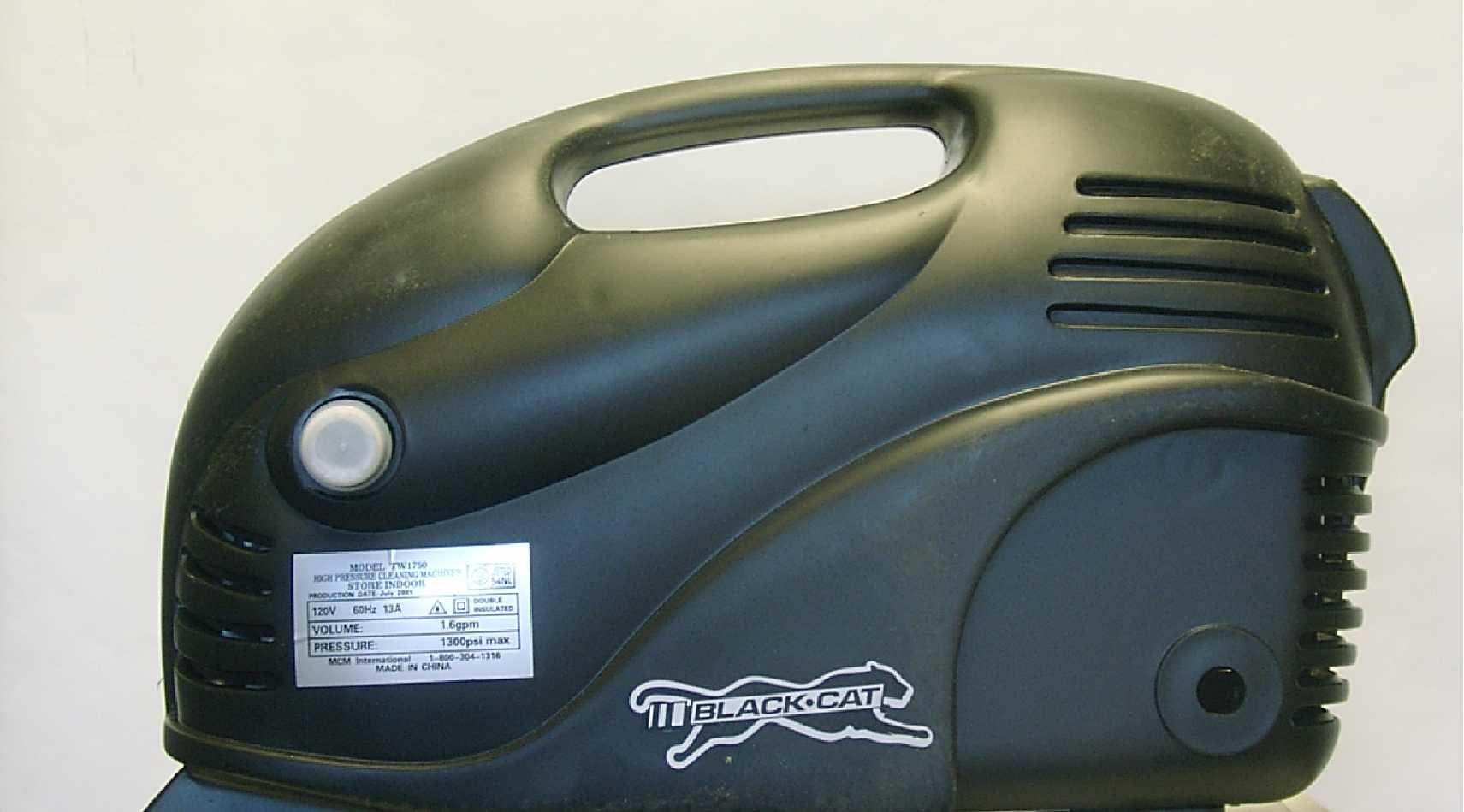
CPSC, MCM International Announce Recall of Electric Pressure Washers
Hazard: MCM International imported the pressure washers from a manufacturer in China, who installed counterfeit ground fault circuit interrupter (GFCI) plugs on some of the units, without MCM's approval. All of the plugs are labeled "WELLONG"; however, the pressure washers with counterfeit "WELLONG" GFCI plugs appear virtually identical to those with genuine "WELLONG" GFCIs. It will require a professional inspection to identify the counterfeit GFCIs. GFCIs are important safety devices that are intended to protect consumers against shock or electrocution.
December 17, 2001Electronics & Batteries
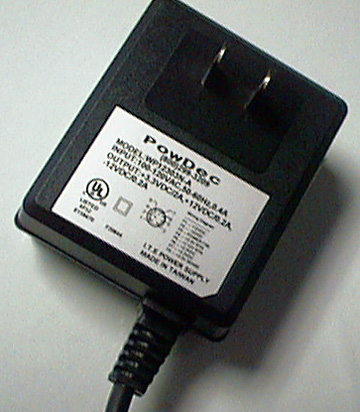
CPSC, Next Level Communications Announce Recall of Power Supply for Computer Modems
Hazard: The power supply has an internal electrical component that could overheat and melt or deform the plastic housing, posing a thermal burn hazard.
November 13, 2001Electronics & Batteries
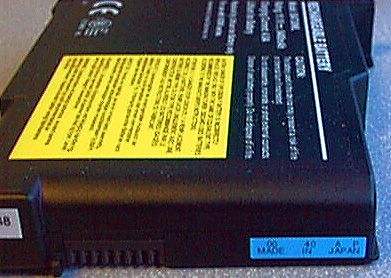
CPSC, Computer Distributors Announce Recall of Batteries for Notebook Computers
Hazard: These batteries can overcharge during re-charging, causing them to overheat, smoke and possibly catch fire.
October 16, 2001Electronics & Batteries
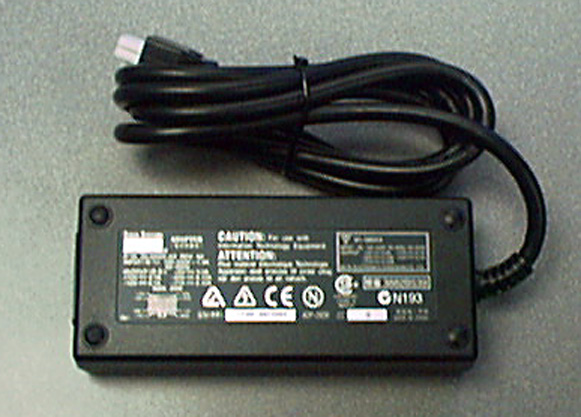
CPSC, Cisco Announce Recall of Power Adapters
Hazard: The adapters can overheat and melt a hole through the housing, posing a fire hazard. In addition, the exposed wires pose a shock hazard.
October 4, 2001Electronics & Batteries
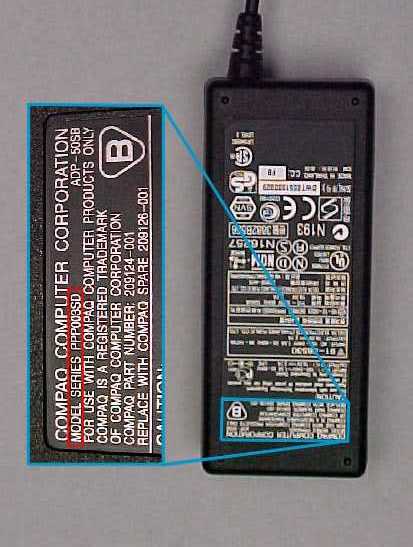
CPSC, Compaq Announce Recall of Notebook Computer AC Adapters
Hazard: These AC adapters can overheat, posing a fire hazard.
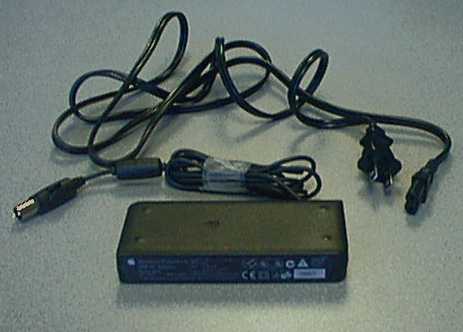
July 6, 2001Electronics & Batteries
CPSC, Apple Announces Recall of AC Adapter for Prior Generation PowerBook Laptops
Hazard: These AC adapters could overheat, posing a fire hazard.
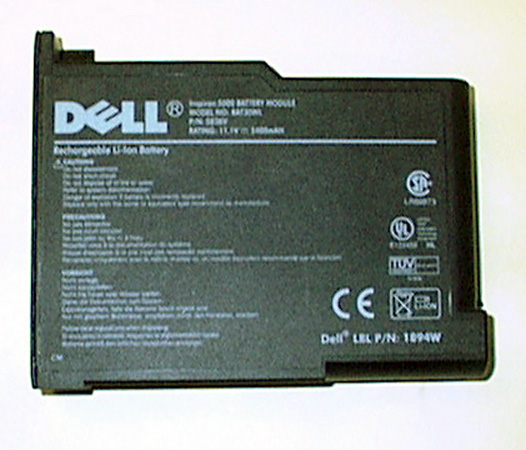
May 3, 2001Electronics & Batteries
CPSC, Dell Computer Corp. Announce Recall of Notebook Computer Batteries
Hazard: These batteries can overcharge, causing them to become very hot, release smoke, and possibly catch fire.
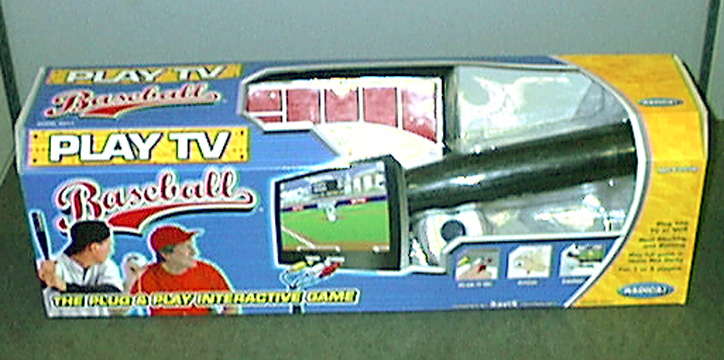
March 13, 2001Electronics & Batteries
CPSC, Radica USA Ltd. Recall Baseball Video Games to Replace Bats
Hazard: The bats can separate during a swing. Broken pieces can hit a bystander and cause injury.
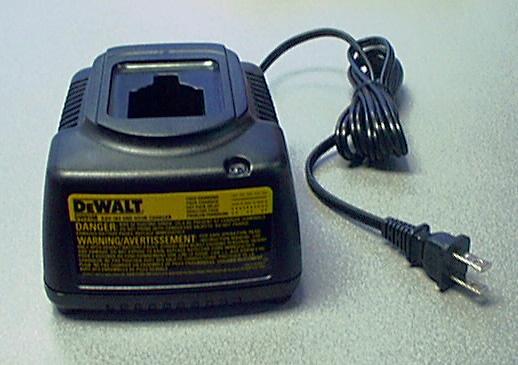
December 20, 2000Electronics & Batteries
CPSC, DEWALT® Industrial Tool Co. Announce Recall of Battery Chargers
Hazard: The battery charger can fail to automatically shut off after the battery is fully charged, which can cause the battery to burst, and poses fire, burn and electrical shock hazards to consumers.
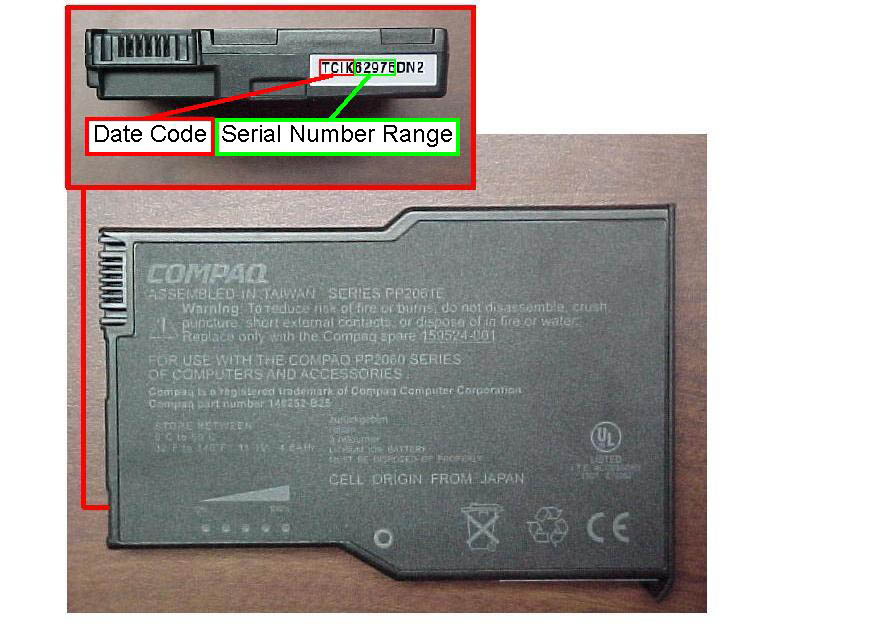
October 27, 2000Electronics & Batteries
CPSC, Compaq Announce Recall of Notebook Computer Battery Packs
Hazard: These battery packs can short circuit, causing them to overheat, release smoke and possibly catch fire.
October 13, 2000Electronics & Batteries
CPSC, Dell Announce Recall of Batteries for Notebook-Computers
Hazard: These batteries can short circuit, even when the battery is not in use, causing them to become very hot, release smoke and possibly catch fire.