February 12, 2015Fire & Safety
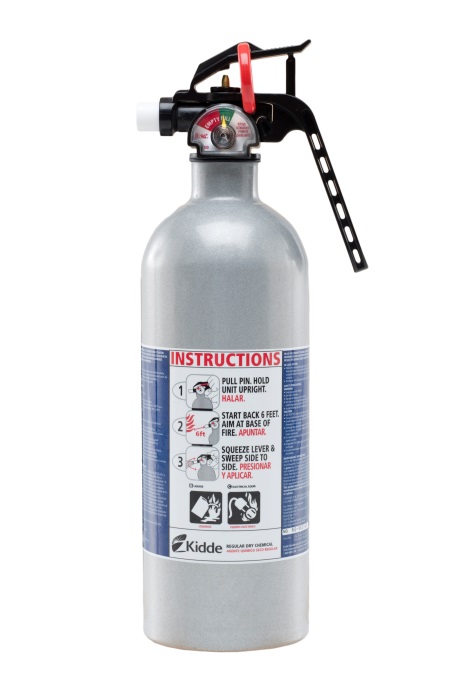
Kidde Recalls Disposable Plastic Fire Extinguishers Due to Failure to Discharge
Hazard: A faulty valve component can cause the disposable fire extinguishers not to fully discharge when the lever is repeatedly pressed and released during a fire emergency, posing a risk of injury.
February 11, 2015Fire & Safety
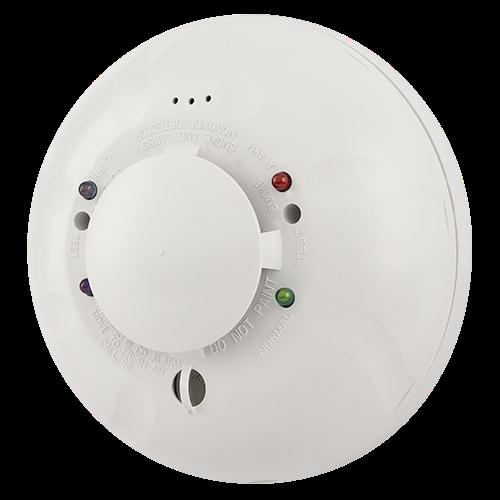
System Sensor Recalls Combination Carbon Monoxide and Smoke Detectors Due to Carbon Monoxide Hazard
Hazard: The detectors can fail to detect carbon monoxide gas in the home, posing a risk of carbon monoxide poisoning.
September 18, 2014Fire & Safety
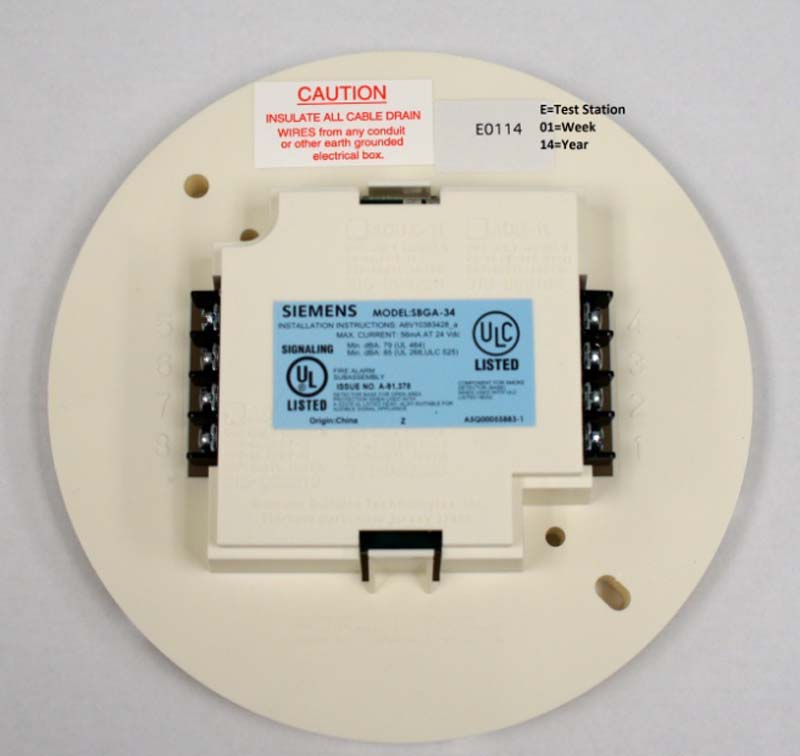
Siemens Recalls Audible Fire Alarm Base Due to Risk of Injury
Hazard: The fire alarm base can fail to sound an alarm, posing a risk of personal injury and property damage.
September 11, 2014Fire & Safety
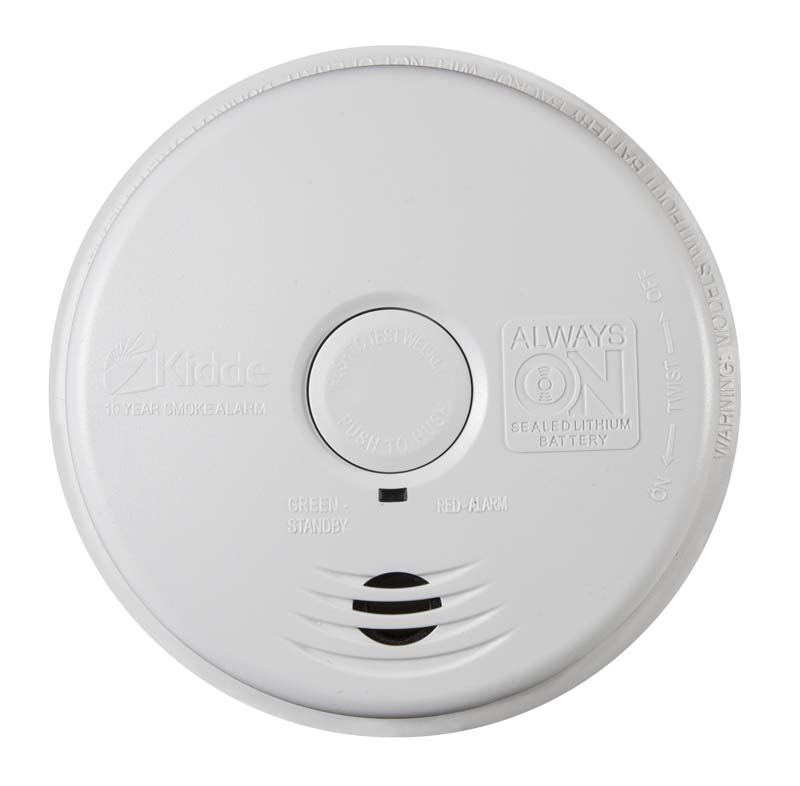
Kidde Recalls Smoke and Combination Smoke/CO Alarms Due to Alarm Failure
Hazard: The alarms could fail to alert consumers of a fire or a CO incident following a power outage.
August 13, 2014Fire & Safety
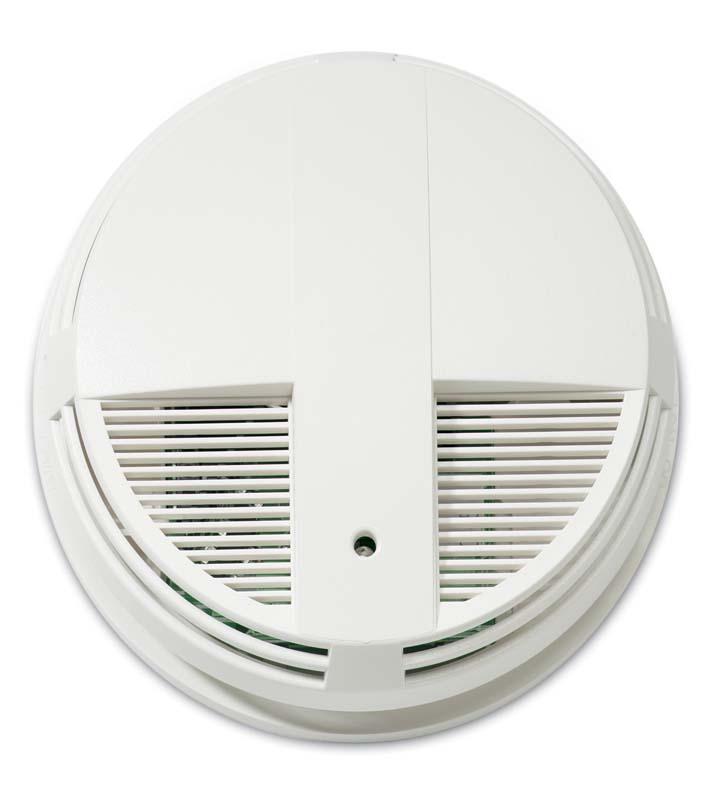
ESL, Interlogix Hard-Wired Smoke Alarms Recalled Due to Failure to Alert Consumers of a Fire
Hazard: Radio frequency interference can cause the smoke detectors to fail to alert consumers of a fire.
January 28, 2014Fire & Safety
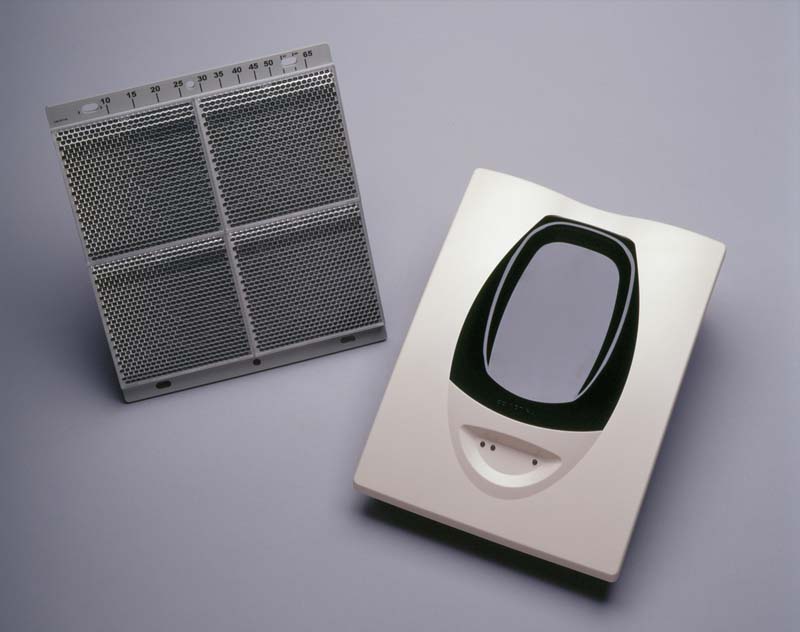
System Sensor Recalls Reflected Beam Smoke Detectors Due To Failure to Alert Consumers in a Fire (Recall Alert)
Hazard: When used with certain power supplies, the reflected beam smoke detectors can fail to send a signal to the fire alarm control panel that sounds the alarm and fail to alert occupants of a fire.
October 20, 2011Fire & Safety
ADT Recalls Carbon Monoxide Detectors Due to Failure to Properly Indicate End of Useful Life
Hazard: When the CO detectors reach the end of their useful life, they should send a signal to make a sound in the home alarm panel alerting consumers it is time to replace them and a signal to ADT's alarm monitoring center. Some of the detectors were not wired properly to the ADT alarm system, resulting in the sound not going off in the home alarm panel and no signal to the ADT alarm monitoring center at the end of its useful life. Not replacing a CO detector at the end its useful life poses a CO poisoning hazard to consumers.
March 1, 2011Fire & Safety
Lennox Hearth Products Recalls Natural Gas Log Set Burner Assemblies Due to Risk of Carbon Monoxide Poisoning
Hazard: A crack can develop at the gas valve connection allowing natural gas to leak while the burner is in use, posing a risk of carbon monoxide poisoning.
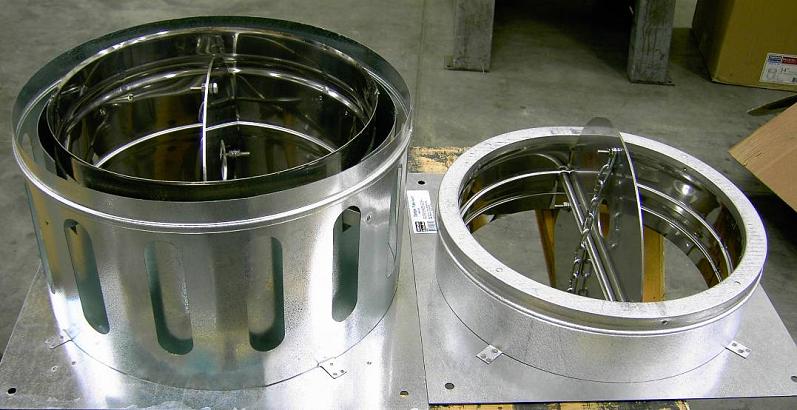
March 23, 2010Fire & Safety
Simpson Dura-Vent Recalls Fireplace Dampers Due to Carbon Monoxide Poisoning Hazard
Hazard: When the consumer attempts to open/close the damper, it can become stuck in its current position. In addition, some of the dampers were assembled backwards and are set to the closed position when the consumer attempts to open the damper. Both pose risk of carbon monoxide poisoning to the consumer.
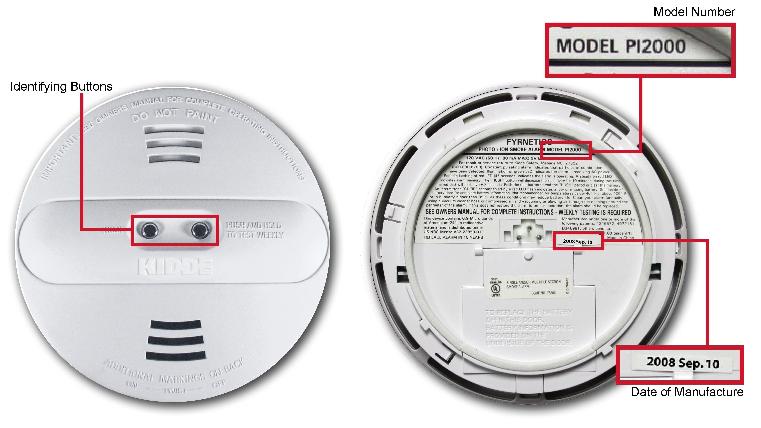
July 9, 2009Fire & Safety
Kidde Recalls Dual Sensor Smoke Alarms; Can Fail to Warn of a Fire
Hazard: An electrostatic discharge can damage the unit, causing it not to warn consumers of a fire.
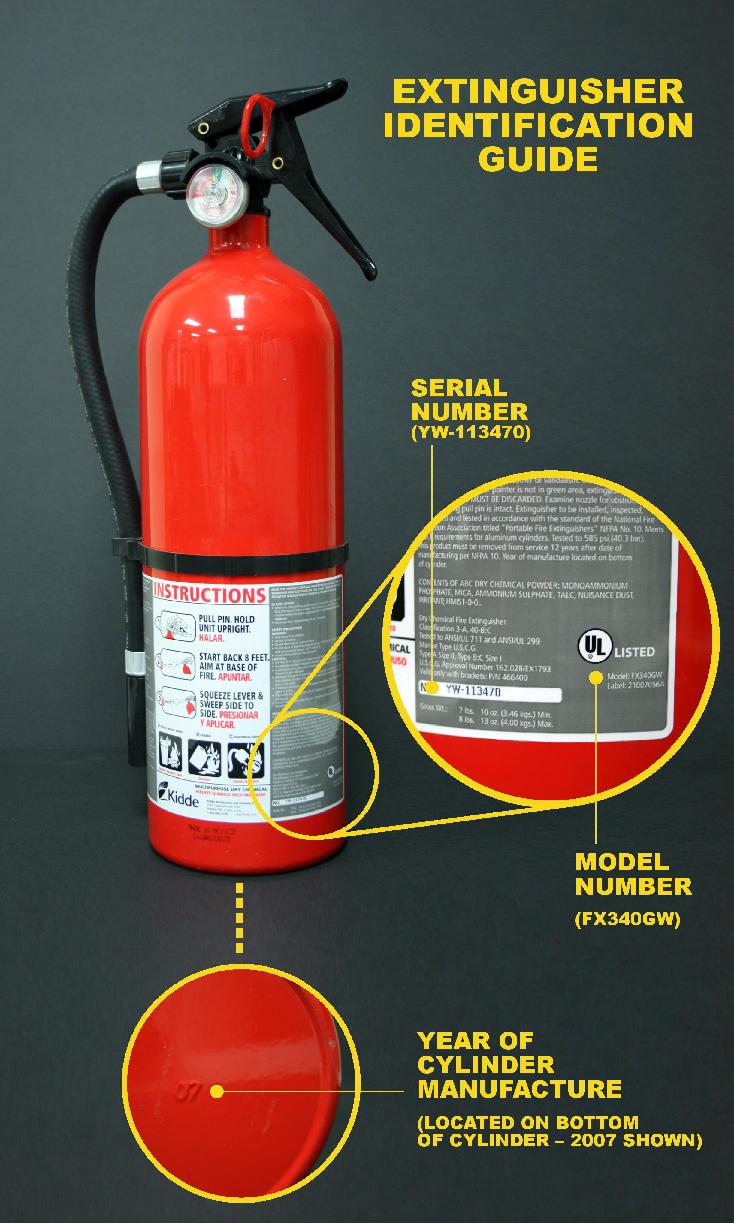
March 12, 2009Fire & Safety
Kidde Recalls to Replace Fire Extinguishers Due to Failure to Operate
Hazard: The pressurized cylinders in the recalled fire extinguishers could lose pressure and fail to operate. In the event of a fire, this failure could put a consumer and property at risk.
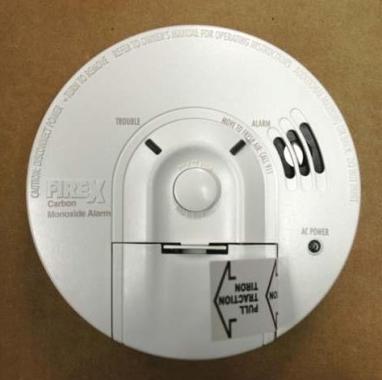
May 15, 2008Fire & Safety
Maple Chase Co. Recalls Carbon Monoxide and Carbon Monoxide/Smoke Combo Alarms Due to Alarm Malfunction
Hazard: The recalled alarms can sound a "double chirp"/fault alarm in the presence of CO, prior to going into full alarm. Upon hearing a double chirp, the Owner's Manual instructions recommend a consumer take the alarm out of service, which could expose consumers to hazardous levels of CO and suffer injury or death.
March 22, 2007Fire & Safety
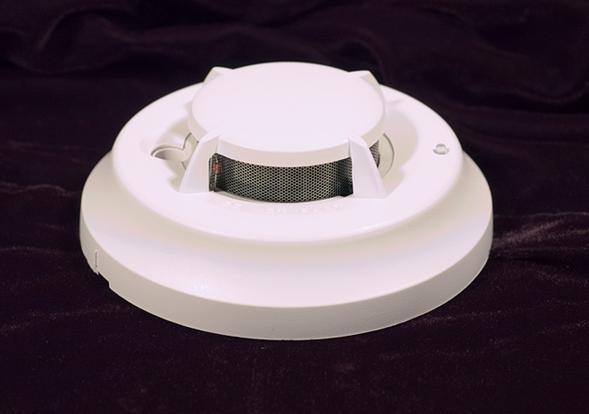
Digital Security Controls Recalls Smoke Detectors that Could Fail to Warn of a Fire
Hazard: These smoke detectors could fail to reliably detect smoke during a fire.
November 13, 2006Fire & Safety
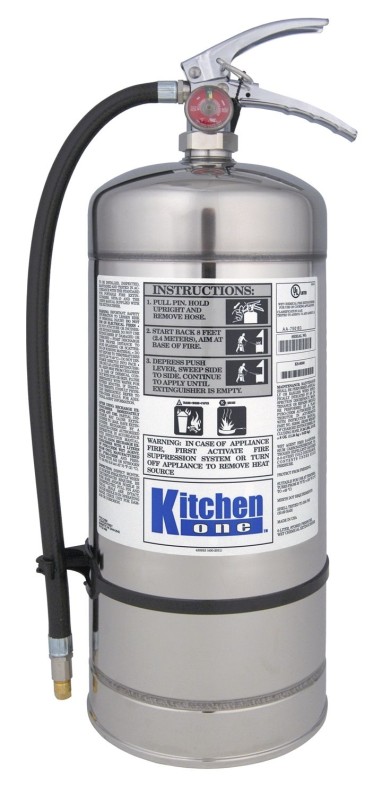
ANSUL Recalls Fire Extinguisher that Could Fail to Operate
Hazard: If the fire extinguisher is dropped horizontally from a height of approximately 2 to 3 feet, the pick-up tube could crack at the threads between the pick-up tube adaptor and the stainless steel tube. If a pick-up tube is cracked, the extinguisher can fail to discharge properly when activated, which can put users at risk during a fire.
May 19, 2006Fire & Safety
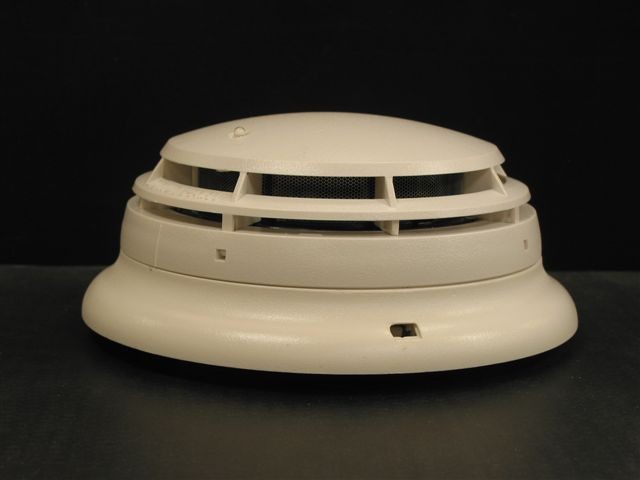
Tyco Fire & Security Recalls Smoke Detectors for Replacement
Hazard: The smoke detectors could experience reduced sensitivity to smoke in conditions of high humidity and high temperature. If this occurs, these detectors could delay detecting the presence of smoke in the event of a fire.
May 2, 2006Fire & Safety
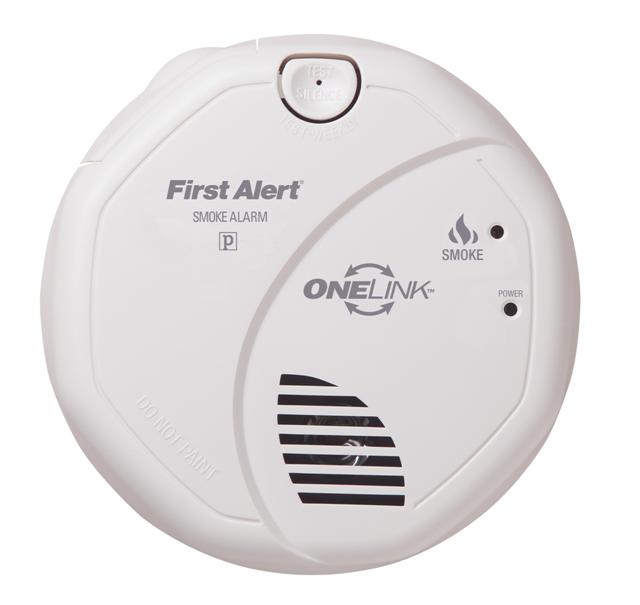
First Alert® Smoke Alarms and Combination Smoke/CO Alarms Recalled for Rapidly Draining Battery Power
Hazard: These alarms can drain the power from batteries rapidly, causing premature low battery power. Consumers will be alerted to the low battery power and the need to replace the battery by a chirping of the unit. If the batteries on the smoke/CO alarm are not replaced before the battery power terminates, the alarm will not detect smoke in the event of a possible fire and the presence of carbon monoxide.
April 20, 2006Fire & Safety
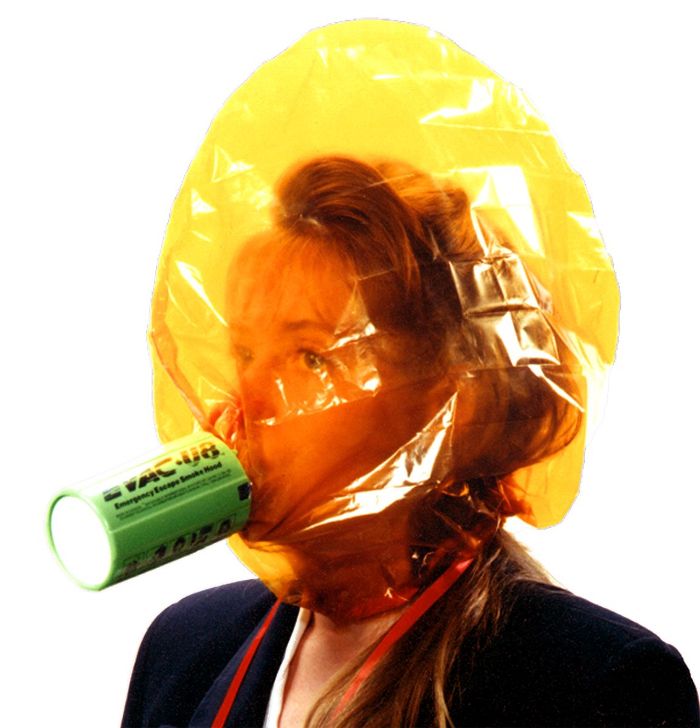
Emergency Smoke Hoods Recalled for Risk of Carbon Monoxide Inhalation
Hazard: The emergency escape smoke hoods could fail to work properly, exposing the user to harmful carbon monoxide, which could seriously compromise their ability to escape the fire threat.
July 26, 2005Fire & Safety
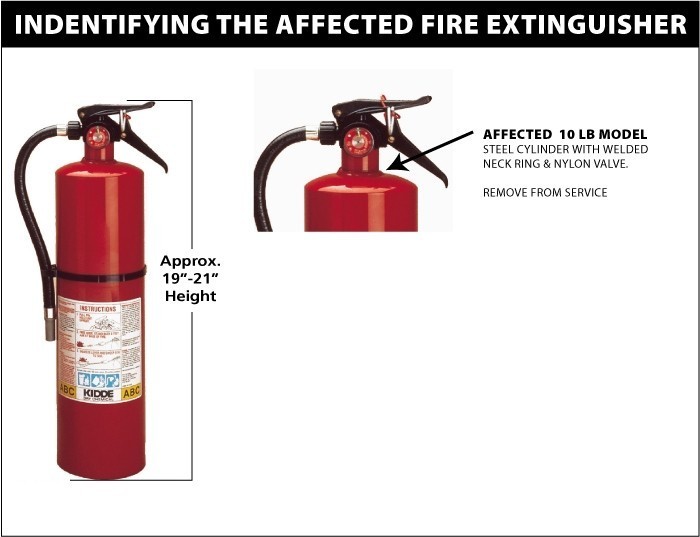
CPSC, Kidde Announce Recall of Industrial Fire Extinguishers
Hazard: The nylon valves on these extinguishers can separate from the steel cylinder during the 6-year recharge service or shortly afterwards, creating a safety hazard to fire extinguisher service personnel and consumers.
December 22, 2004Fire & Safety
CPSC, AnnounceGE Security Inc. Retrofit/Recall of Smoke Detector Systems
Hazard: The smoke alarms can fail to activate during a fire or emergency, if installed in combination with certain control panels.
February 12, 2004Fire & Safety
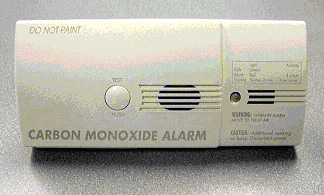
CPSC, GE Security, Inc. Announce Recall of Carbon Monoxide Alarms
Hazard: The recalled units fail to detect carbon monoxide after 1 year of operation, due to an internal software error. These CO alarms do not provide an "end of life" signal or other indication of inoperability, even if the test button is depressed.
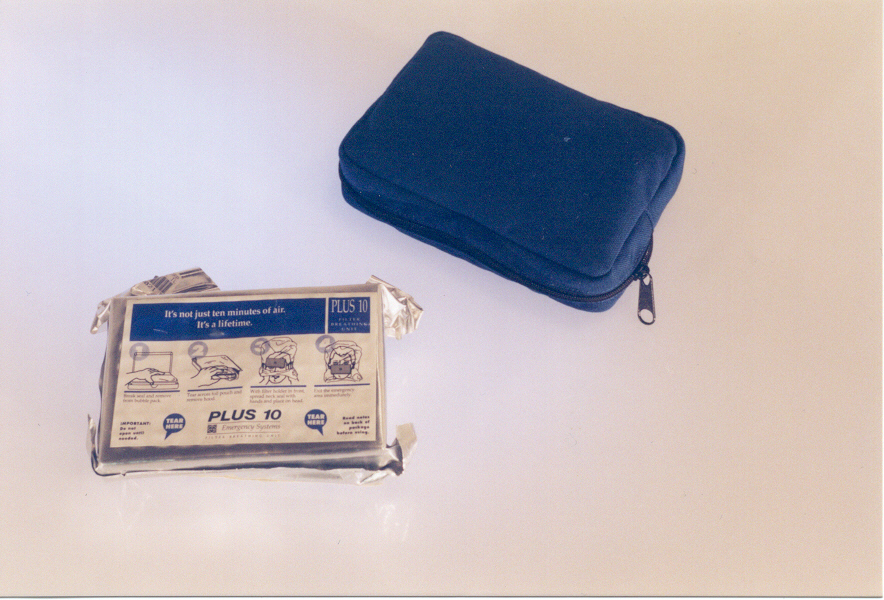
September 8, 2003Fire & Safety
CPSC, Essex PB&R Announce Recall of Plus 10® Fire Escape Hoods
Hazard: These fire escape hoods do not provide protection against certain chemical warfare agents (Sarin, Tabum and Soman), as previously claimed in marketing materials and on the firm's Web site. The product can still be used as an escape filter hood in fire and smoke emergencies.
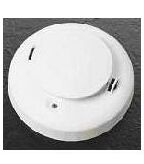
September 3, 2003Fire & Safety
CPSC, GE Interlogix Announce Recall of Smoke Detectors
Hazard: These smoke detectors may fail to work properly upon installation or if there is an extended loss of power. If the smoke alarms fail to detect fire or smoke, it poses a serious hazard to occupants inside of the dwelling.

May 2, 2001Fire & Safety
CPSC, Tools Exchange Inc. Announce Recall of Novelty Cigarette Lighters
Hazard: The lighters do not have child-resistant mechanisms, as required by federal law. Young children could ignite the lighters, presenting fire and burn hazards.
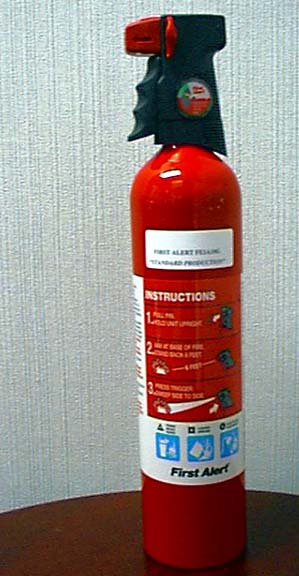
September 27, 2000Fire & Safety
CPSC, BRK Announce Recall of First Alert Fire Extinguishers
Hazard: The extinguishers can fail to discharge when the trigger is activated, failing to put out a fire, which puts consumers at risk of fire-related injuries.
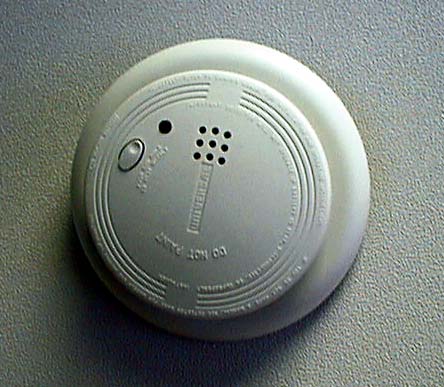
May 25, 2000Fire & Safety
CPSC, Universal Security Instruments Announce Recall of Smoke Alarms
Hazard: The smoke alarms can fail to alarm when smoke or fire is present. A capacitor in the alarm can burn out, releasing smoke and melting the cover.
May 18, 2000Fire & Safety
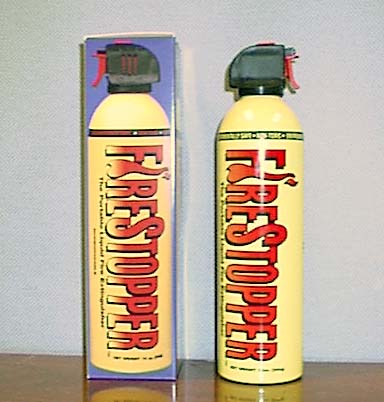
CPSC, Discount Stores Announce Recall of Fire Extinguishers
Hazard: Because of the high-pressure contents of these fire extinguishers, they can explode and expose consumers to flying debris, causing puncture wounds and blast injuries.