Honeywell Recalls
7 recalls on record · October 2, 2007 to March 14, 2024 · Appliances, Other
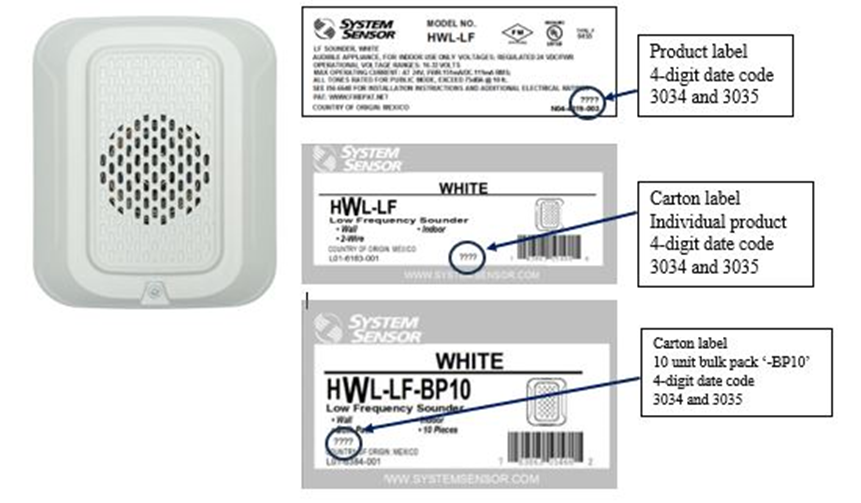
March 14, 2024Other
Honeywell Recalls System Sensor L-Series Low Frequency Fire Alarm Sounders and Strobes Due to Risk of Failure to Alert Consumers to a Fire
Hazard: The sounders and strobes can malfunction and cause the fire alarm system to fail to alert consumers of a fire.
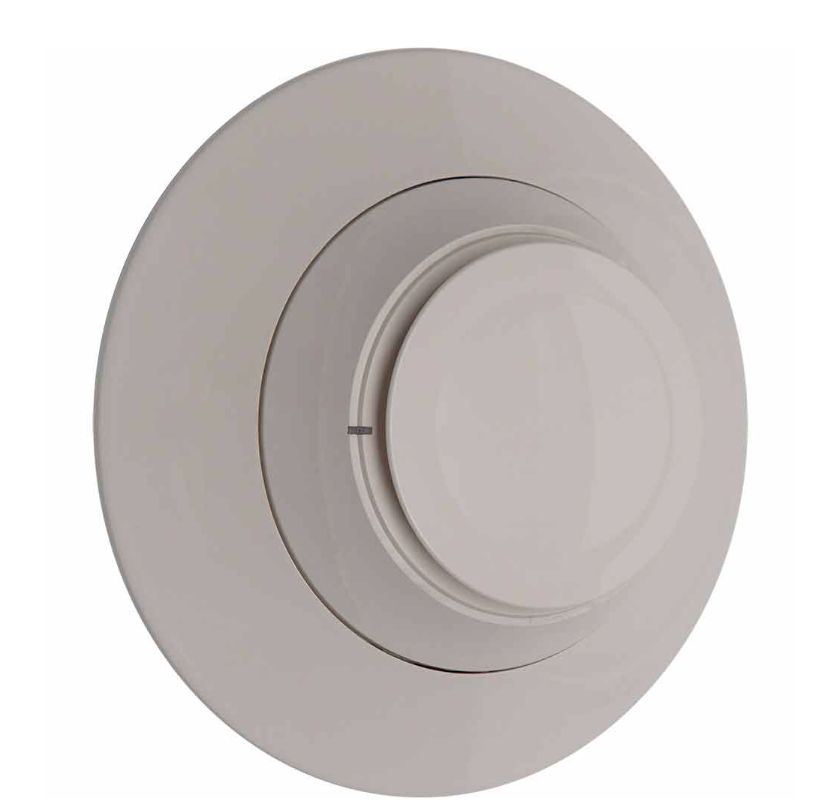
June 21, 2019Appliances
Honeywell Recalls Gamewell-FCI and Notifier Photoelectric Smoke Sensors Sold with Fire Alarm Systems Due to Failure to Alert of a Fire
Hazard: The photoelectric smoke sensor can malfunction and cause the fire alarm system to fail to alert occupants in commercial buildings of a fire.
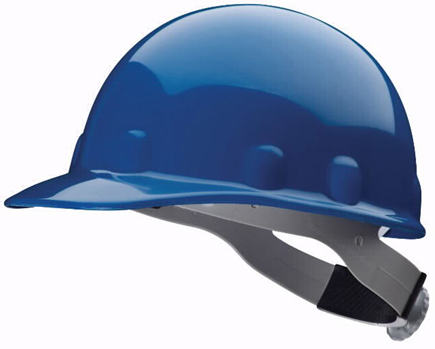
April 24, 2018Other
Honeywell Recalls Hard Hats Due to Risk of Head Injury
Hazard: The hard hats can fail to protect users from impact, posing a risk of head injury.

May 12, 2017Appliances
Honeywell International Recalls SWIFT® Wireless Gateway Sold with Fire Alarm Systems Due To Failure to Communicate in Fire
Hazard: The smoke detectors connected to the gateway can fail to activate properly when significant environmental contaminants are present, posing a risk that consumers will not be alerted to a fire.
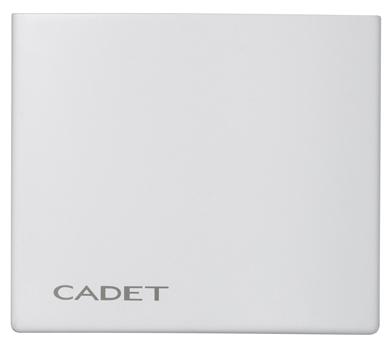
July 28, 2011Appliances
Honeywell Recalls Electric Baseboard and Fan Heater Thermostats Due to Burn Hazard
Hazard: The thermostats can overheat, causing them to melt and smoke. This poses a burn hazard to the consumer.

April 7, 2009Other
Honeywell International Recalls Vista Security System Control Panels Due to Failure of Panic Feature
Hazard: Security systems programmed with a wireless silent panic feature can fail to operate properly the first time the panic button is pressed on the remote transmitter. If the panic button is pressed only once, this can unexpectedly leave residents without a triggered alarm during an emergency.
October 2, 2007Appliances
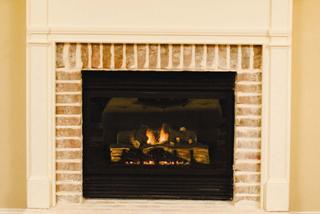
Honeywell Recalls Gas Valves Used in Decorative Fireplaces and Stoves Due To Burn Hazard
Hazard: The activation knob on the valve can be left in a position between OFF and PILOT, which can cause the pilot gas to leak and accumulate prior to burner ignition. This can pose the risk of thermal burns to consumers when they light the pilot of the fireplace or stove.